
What to Put on a Cottage Food Label
By WhiskAndWorth ·
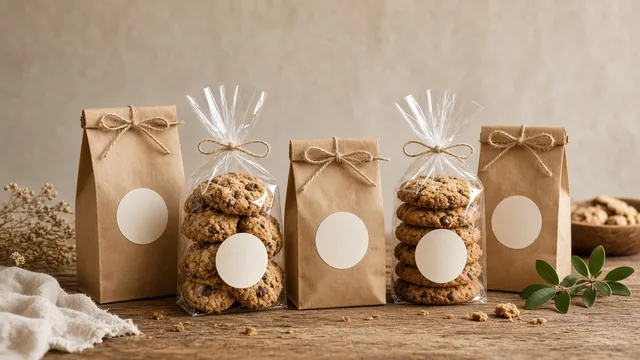
A label is a small piece of paper doing a big job. It tells customers what they are eating, protects people with allergies, and shows you take your business seriously. In many places that sell under cottage food laws, a label is also a legal requirement. The exact wording and layout vary, but most cottage food labels ask for the same core pieces of information. Here is what they are and how to get each one right.
1. The product name
Use a clear, common name that tells the customer what the item is: "Chocolate Chip Cookies", "Lemon Poppy Seed Loaf", "Cinnamon Sugar Snickerdoodles". A fun brand name is fine as well, but pair it with a plain description so nobody has to guess.
2. Your business name and address
Most cottage food programs require the name and physical address of the home kitchen where the food was made, and some also ask for a phone number or a registration or permit number. Some areas let you use a business name; others want the operator's own name. If you are uncomfortable printing your home address, check whether your area allows any alternative before assuming it does.
3. The home-kitchen statement
Many jurisdictions require a specific sentence telling buyers the food was made in a home kitchen that is not inspected by the health department. The wording is often set word for word in the regulations, sometimes with a minimum font size. This is one place where you should copy the exact text your authority provides rather than writing your own version.
4. The ingredient list
Ingredients are usually listed in descending order by weight, so the ingredient you use the most comes first. A few practical tips:
- Weigh your recipe to get the order right. Flour usually leads in cookies; sugar or butter may lead in some frostings.
- Include sub-ingredients for compound items. Chocolate chips, for example, may be listed as "chocolate chips (sugar, chocolate, cocoa butter, milk fat, soy lecithin, vanilla)". Copy them from the packaging of what you actually buy.
- Use common names. "Butter" rather than a brand name; "baking soda" rather than a chemical formula.
- Update the label when you change suppliers. A new brand of sprinkles can bring a new allergen.
5. Allergen information
This is the most important part of the label for many customers. In the United States, the major food allergens are milk, eggs, fish, crustacean shellfish, tree nuts, peanuts, wheat, soybeans and sesame. Other countries use different lists, so check yours. Labels commonly declare allergens either in the ingredient list (for example "flour (wheat)") or in a separate "Contains:" line, such as Contains: wheat, milk, eggs, soy.
Think about cross-contact too. If you bake with peanuts in the same kitchen, many bakers add an advisory statement such as "Made in a kitchen that also handles peanuts and tree nuts." Whether such a statement is required or simply recommended depends on where you are, but honesty here keeps people safe.
6. Net weight or quantity
Many rules require the net quantity of the contents, by weight, volume or count. For a bag of cookies that might be "Net Wt. 8 oz (227 g)" or "12 cookies". Weigh a few finished packages to find a reliable figure, and use a scale you trust.
7. Nice-to-have extras
Beyond the requirements, a few additions make your labels more useful and more memorable:
- A "best by" or "baked on" date, so customers know how fresh it is.
- Storage advice such as "Keep refrigerated" for cream cheese frostings.
- Your website, social handle or a QR code for reorders.
- A consistent design with your colours and logo.
Be careful with claims. Words such as "gluten-free", "organic", "sugar-free" or health-related statements often have their own definitions and rules. If you want to use them, check what your authority requires first.
Common labeling mistakes
- Leaving out sub-ingredients from store-bought components.
- Forgetting allergens hidden in decorations, glazes or shared equipment.
- Using a home-kitchen statement that doesn't match the official wording.
- Printing text so small it is hard to read.
- Using one generic label for several products with different ingredients.
Practical printing tips
Standard sticker sheets, such as 2" × 4" rectangles or 2" rounds, are inexpensive and work with most home printers. Do a test print on plain paper first and hold it against the sticker sheet to check alignment. Matte labels are easier to write on by hand; glossy ones look sharp but can smudge with some inks. If your packaging will be refrigerated, consider water-resistant labels.
A quick checklist before you print
- Product name is clear.
- Business name and address (and permit number if required) are present.
- Home-kitchen statement uses the exact official wording.
- Ingredients are in descending order by weight, including sub-ingredients.
- Allergens are clearly declared.
- Net weight or count is accurate.
- You have checked the current local rules.
Save time with a template
Our Cottage Food Label Templates give you editable Word and printable PDF labels with spaces for every item above, in four design styles and three standard sheet sizes, including allergen check boxes. You fill in the wording that your local rules require; the template handles the layout.
More guides: How to Price a Cake: A Step-by-Step Formula for Home Bakers · How to Take Custom Cake Orders Without the Chaos · Bookkeeping Basics for Home Bakeries